
Vertical Child Walker — Walking Aid for Cerebral Palsy and Motor Disabilities
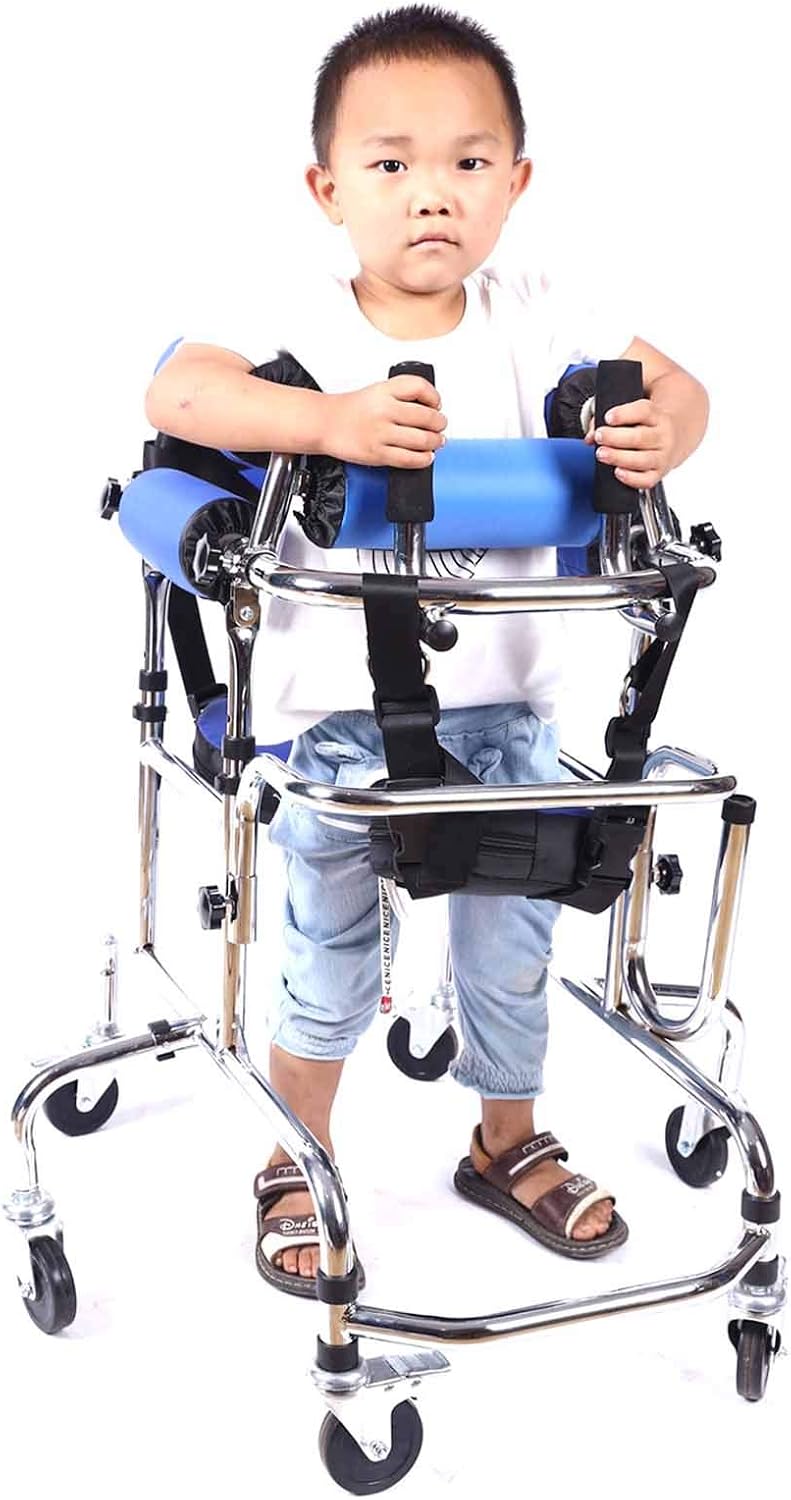
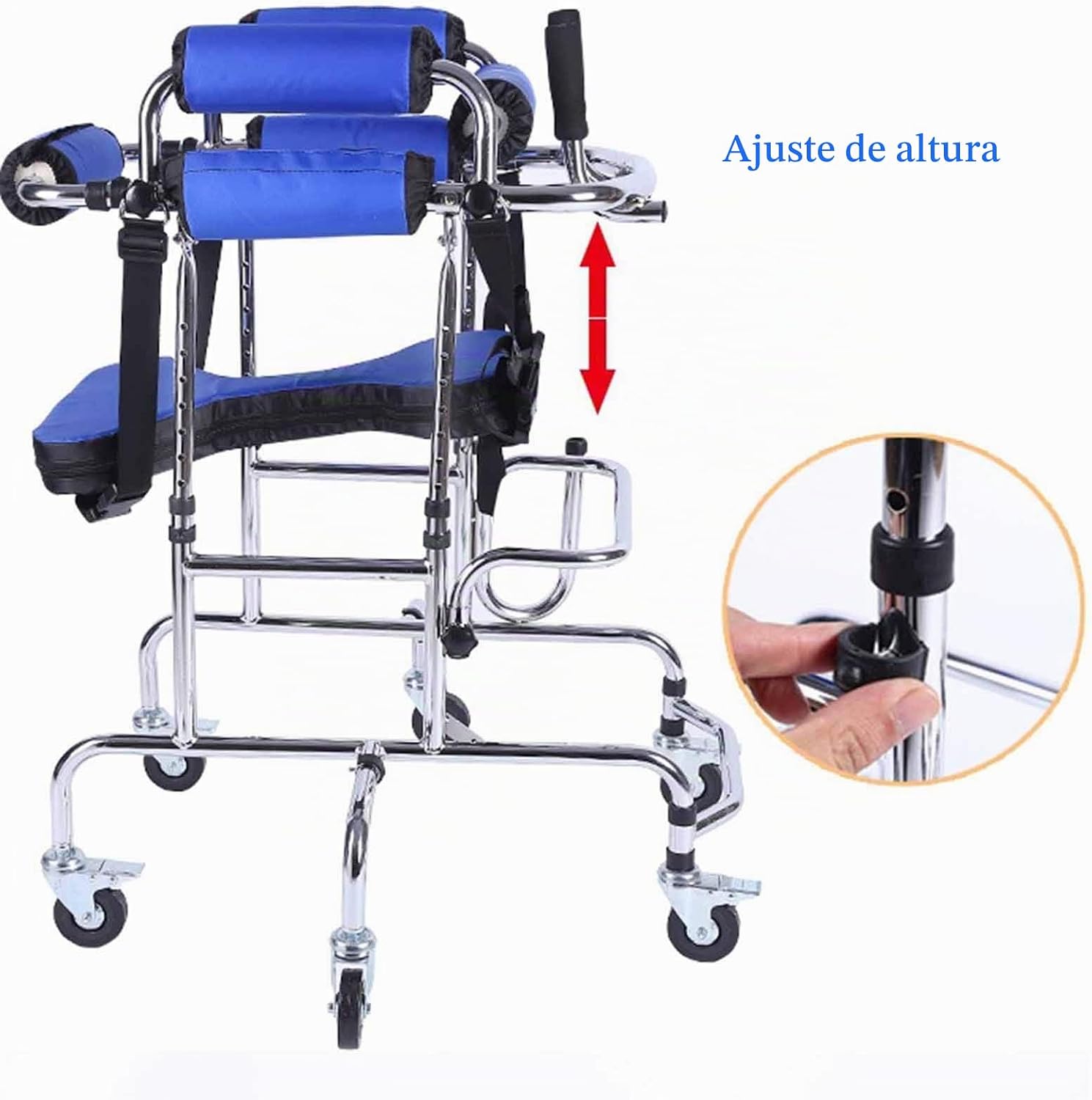
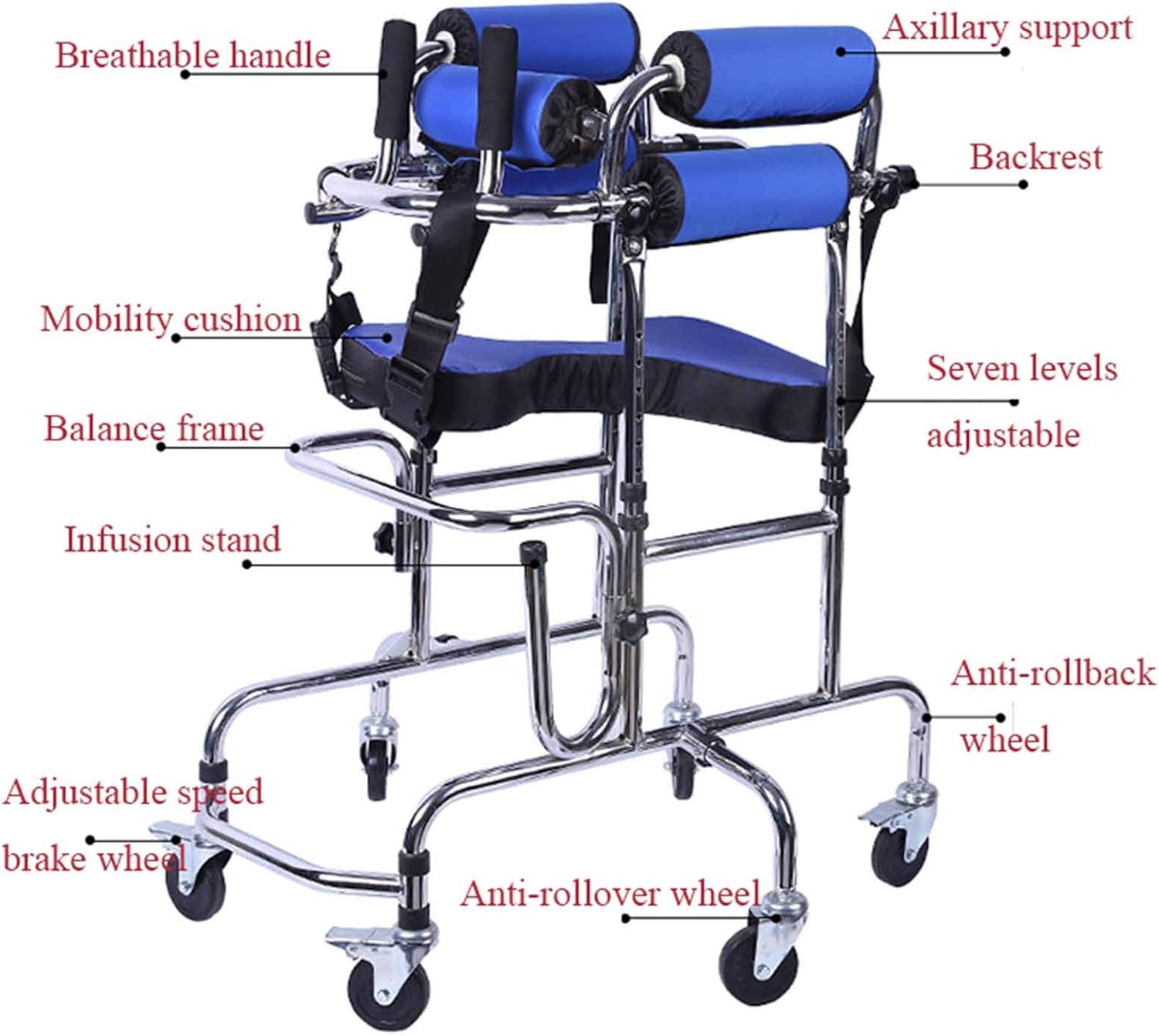
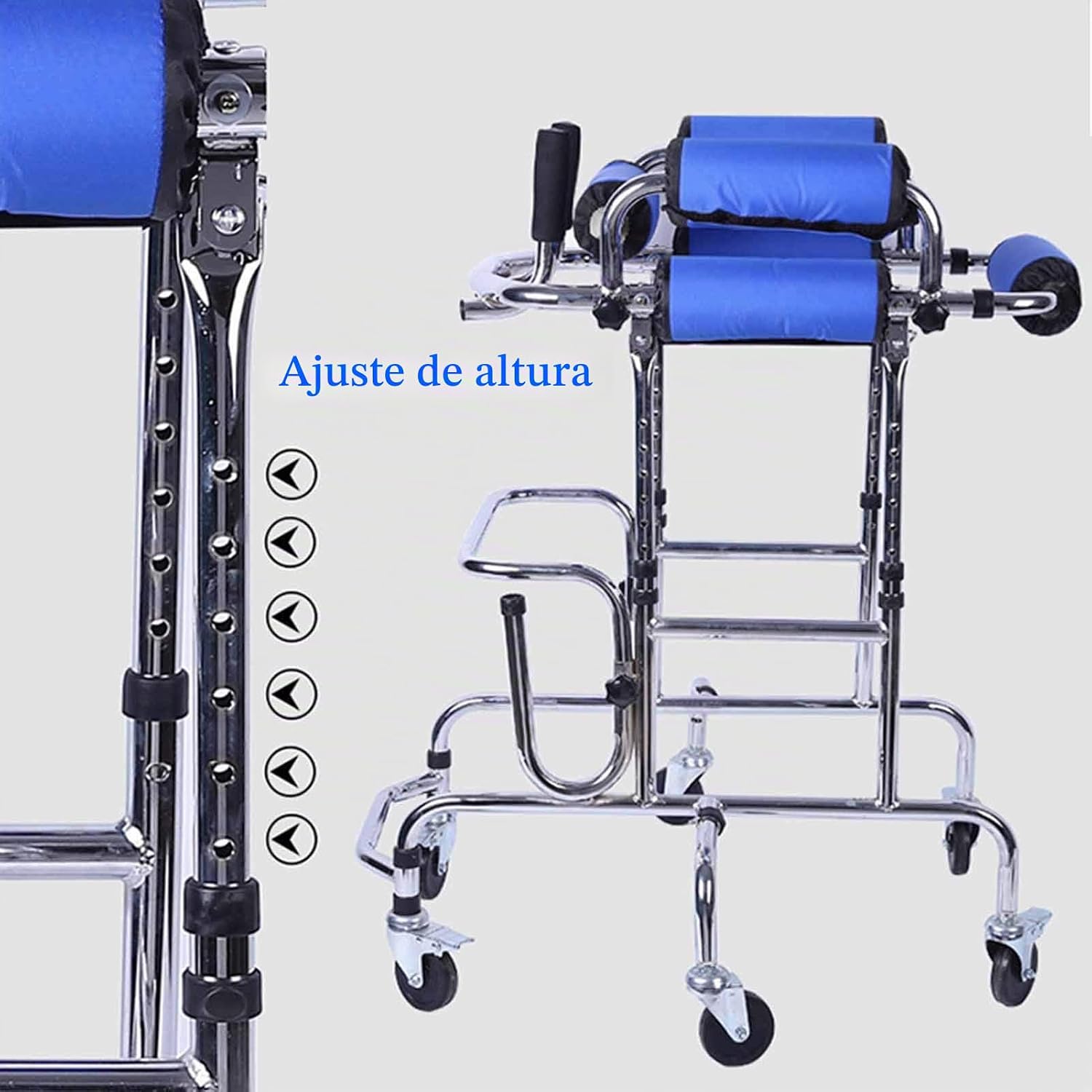
Vertical paediatric walker with chest support, safety harness and activity tray. Lightweight aluminium, height adjustable. Ideal for children with cerebral palsy and neuromotor disorders.
At a glance
- Vertical paediatric walker for 1-6 years
- Chest support and safety harness
- Activity tray for playful rehabilitation
In this article
Help your child take their first steps
For a child with cerebral palsy, neuromotor disorders or developmental delay, learning to walk is a constant struggle. This vertical standing frame walker has been designed to provide the necessary postural support while allowing the child to explore their environment safely. Lightweight, adjustable and stable, it supports the child’s progress month after month.
Essential vertical support for cerebral palsy
- Lightweight aluminium frame (under 3 kg), easy to manoeuvre
- Padded chest support that keeps the trunk in an upright position
- Adjustable safety harness to prevent falls
- Multi-position height adjustment to follow growth
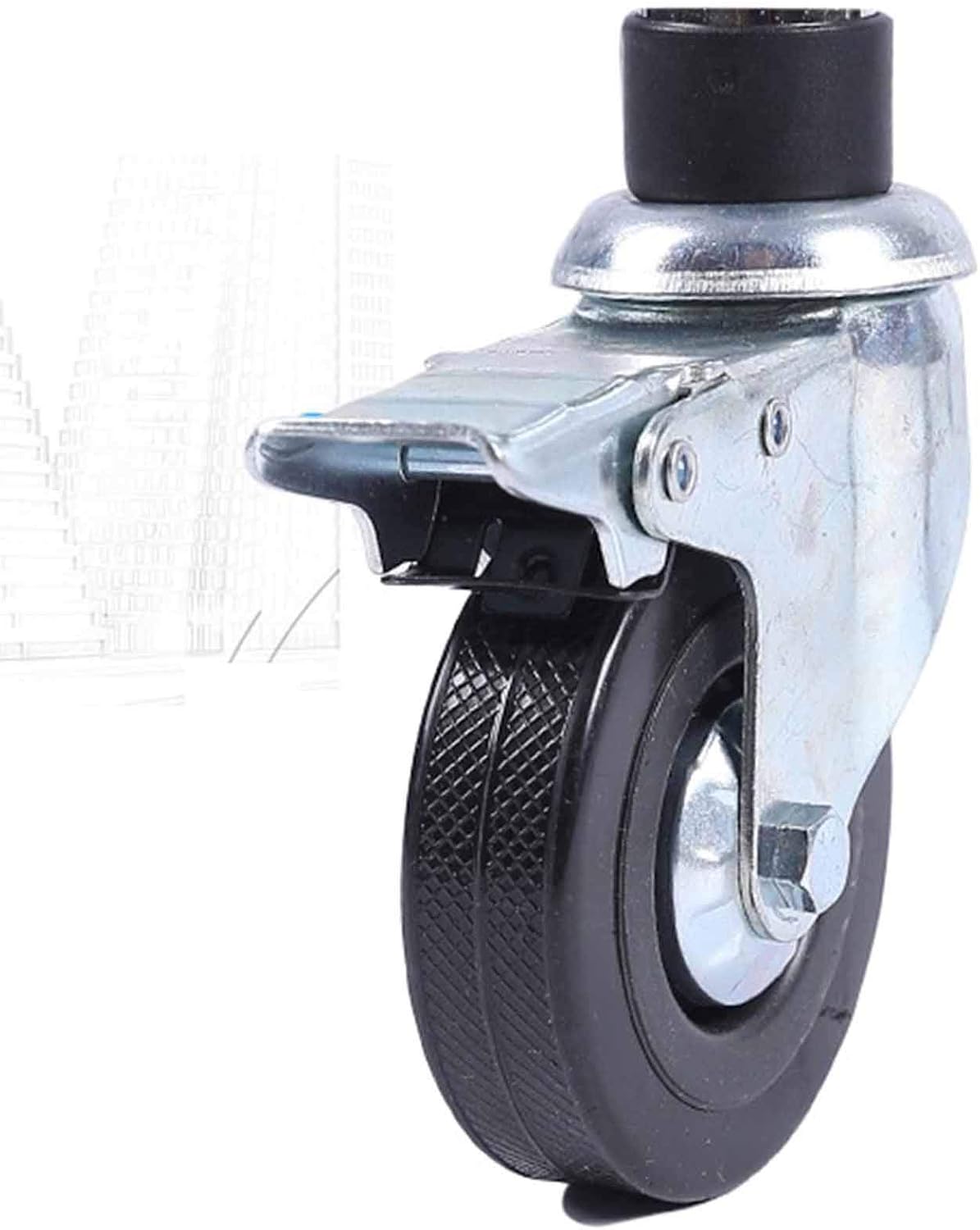
- Multidirectional wheels with brakes for speed control
- Removable activity tray to stimulate fine motor skills
You are the parent of a child with a motor disability
Watching your child struggle to stand upright is an ordeal. This walker changes everything: by offering complete postural support, it allows the child to focus on what matters — putting one foot in front of the other — without having to fight against gravity. The chest support and secure harness give the child the confidence they need to attempt movement. And for you, as a parent, it is the peace of mind of knowing your child is safe during their walking exercises.
A daily rehabilitation tool
Physiotherapists and psychomotor therapists recommend early standing for children with motor disorders. This walker allows rehabilitation sessions to be extended at home, in the form of play. The built-in activity tray turns the exercise into a fun moment: puzzles, drawing and manipulation games stimulate fine motor skills while the child works on standing and walking.
Our opinion on this children’s walker
In my work as an educational support worker, I have been able to observe the progress of children using this type of walker. The transition from sitting to standing is a psychological milestone as much as a physical one: the child discovers the world from a new angle, at eye level with others. This model stands out for its light weight and its activity tray, which makes the exercises less strenuous. Please note, however: it is designed for indoor use on flat floors — not suitable for uneven terrain. — Anaïs Lotton, AMP and AES (Healthcare Support Worker)
Frequently Asked Questions
At what age is this walker suitable?
This walker is generally suitable for children aged 1 to 6 years, depending on height and weight. The chest support height is adjustable to follow the child’s growth. Check the maximum dimensions in the specifications.
What is the maximum weight for the child?
The walker supports a maximum weight of approximately 25 kg, which corresponds to a child of about 6-7 years depending on build. Beyond that, a larger model should be considered.
Can it be used outdoors?
This model is designed for indoor use on flat, smooth floors (tiles, parquet, linoleum). The wheels are not suitable for uneven terrain, grass or gravel. For outdoor use, choose a walker with all-terrain wheels.
Do I need a medical opinion to buy it?
Although not mandatory, it is strongly recommended to consult a physiotherapist or rehabilitation doctor before purchasing. The professional will be able to assess whether this type of walker is suitable for your child’s specific needs and advise you on adjustments.
Is the activity tray included?
Yes, the removable activity tray is part of the basic kit. It attaches to the front of the walker and can be removed when the child does not need it, for example during movement.
Is it covered by the NHS?
Paediatric walkers may be provided through NHS wheelchair services or community equipment services, depending on your local area. A referral from a physiotherapist or occupational therapist is usually required. Contact your local NHS trust or children’s community therapy team to find out about the process in your area.
Ready for more independence?
🇬🇧 See price & reviews on Amazon⭐ 4.2/5 · ⭐ {note}/5 from {count}+ reviews · Fast delivery

Similar products
 4.0/5
4.0/5
Cale-porte universelle — Maintien porte fauteuil roulant UK
Cale-porte pour faciliter le passage en fauteuil roulant. UK.
 4.0/5
4.0/5
Couverts adaptés — Prise ergonomique Parkinson arthrite UK
Couverts ergonomiques pour Parkinson et arthrite. UK.
 4.5/5
4.5/5
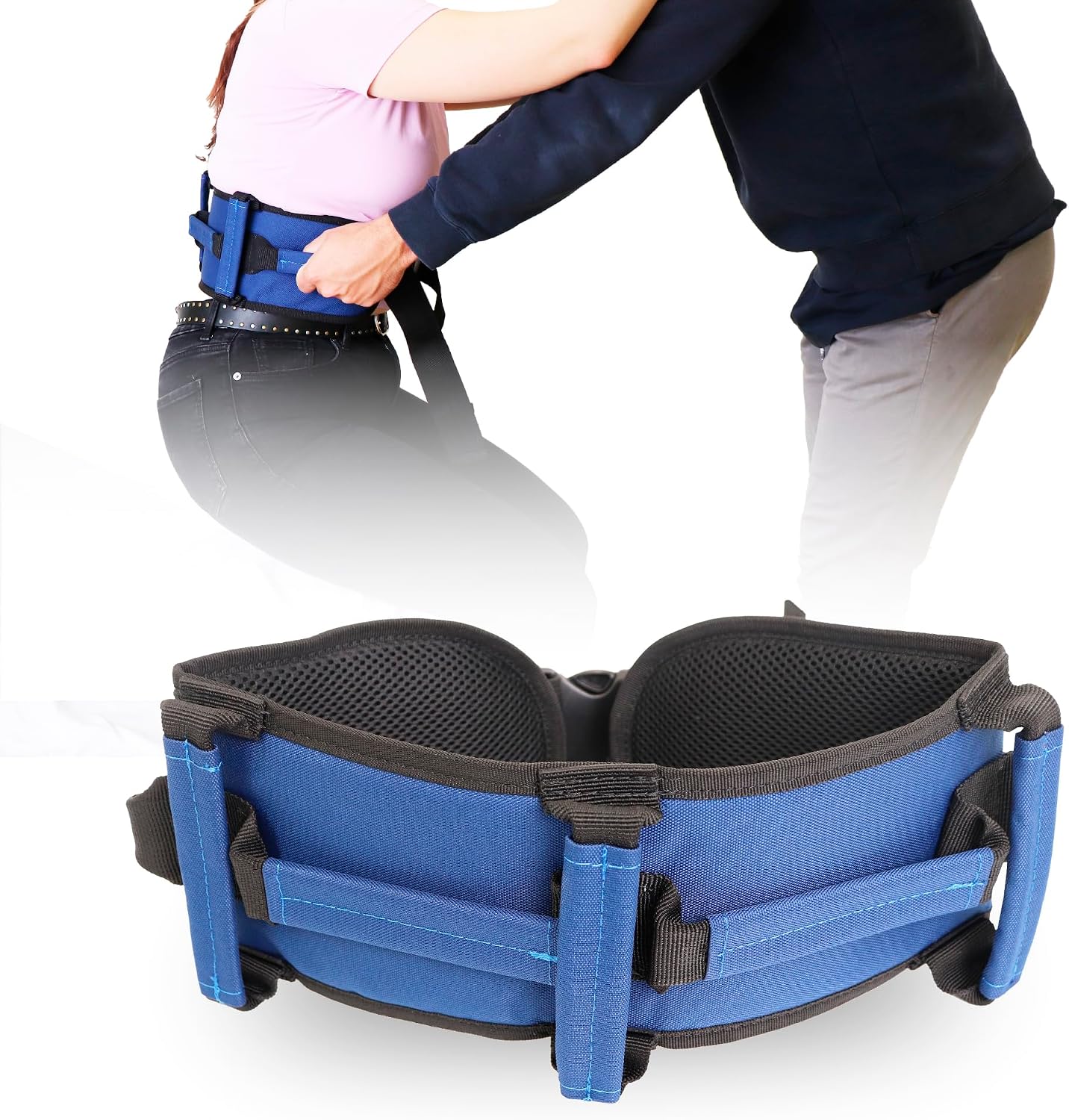
Transfer Belt 7 Handles PEPE Mobility — Lifting Harness for Patients and Elderly, Reduced Mobility
Transfer belt with 7 handles (3 vertical, 4 horizontal) for safe patient transfer. Polyester, EVA…